

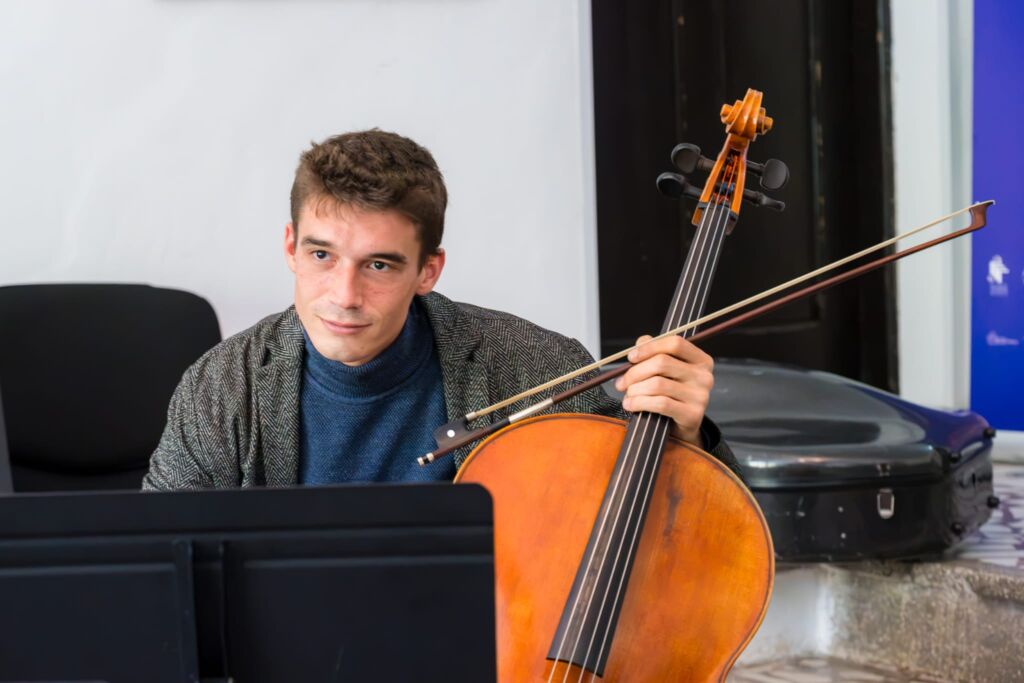
Interview with cellist and teacher Vlad Câmpean
Interview with Vlad Câmpean, cellist trained at the Paris Conservatoire: his journey, the stage, teaching, and his advice for adults who want to learn the cello.
Read article →Stefan Joubert is the director of the Paris Music Institute. He is passionate about music education for adults and believes that it is never too late to start learning a musical instrument.
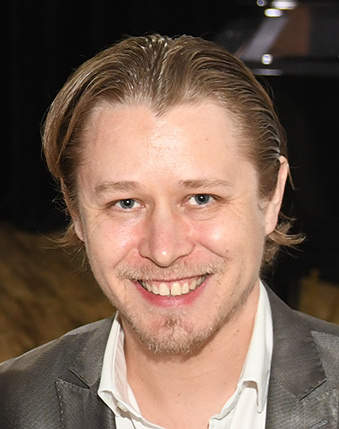
Interview with Vlad Câmpean, cellist trained at the Paris Conservatoire: his journey, the stage, teaching, and his advice for adults who want to learn the cello.
Read article →
In Antiquity, anatomical treatises considered the heart as the seat of emotions, passions, will, courage, but also of thought, intelligence, and memory. From the 13th century onwards, people learned and knew "by heart." The expression has endured through the centuries even though we have known for a relatively recent period that memory is a matter of the brain and not the heart.
Read article →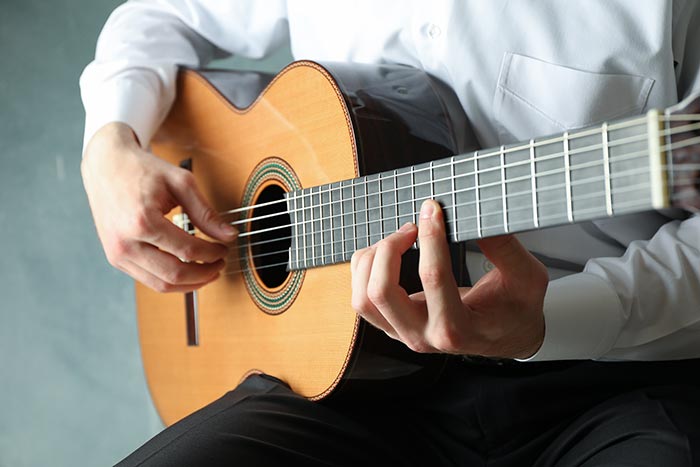
The technical and historical aspects of the guitar are often overlooked by guitarists, yet I find it imperative to understand the theoretical foundations of the instrument one has decided to play. It is vital to grasp its mechanics and features at the point of purchase and for its long-term maintenance.
Read article →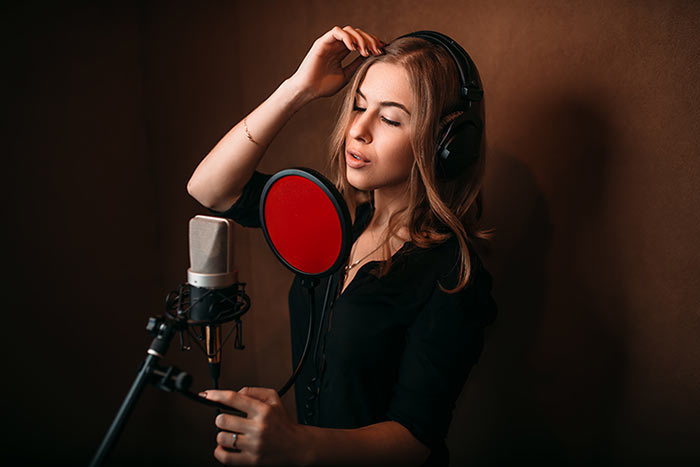
The word "chant" is derived from the Latin "cantus," meaning the singing of a human, a bird, the sound of an instrument, or a poem.
Read article →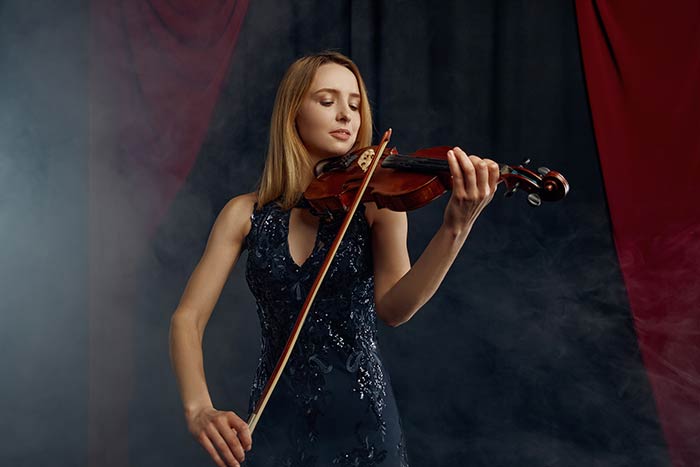
This instrument holds a prominent place in Western classical music. It is considered one of the most popular instruments in the Western world!
Read article →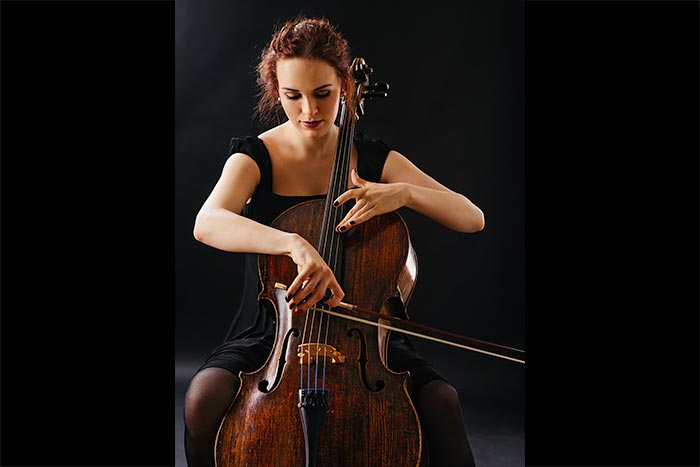
The cello originated from the rebec (a small instrument from the Middle Ages) and then, in the 16th century, from the bass violin, which was larger than the cello. The size of this instrument underwent changes and gradually became larger, making it unplayable for the left hand as the finger spacing was no longer suitable.
Read article →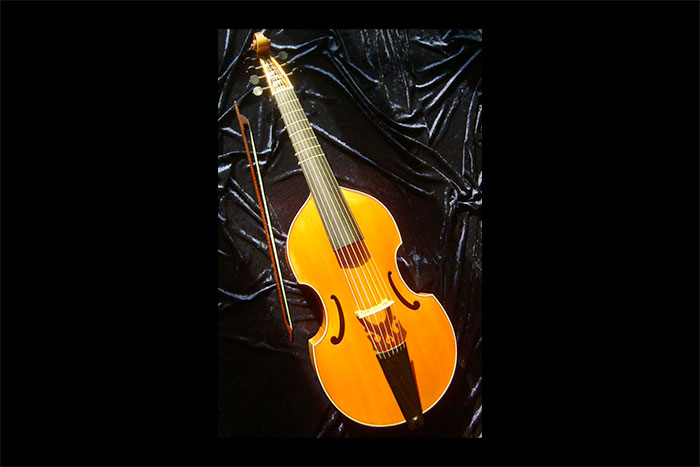
Contrary to popular belief, the viola da gamba is not the ancestor of the cello but rather a cousin. The emergence of the violin family is estimated to have occurred in the 1520s in Italy. The violin was initially intended for dances, ballets, balls, and festivities. In contrast, the viol family appeared in the 15th century, also in Italy, and spread throughout Europe under the name "vihuela de arco" (bowed viol) and was considered a noble instrument.
Read article →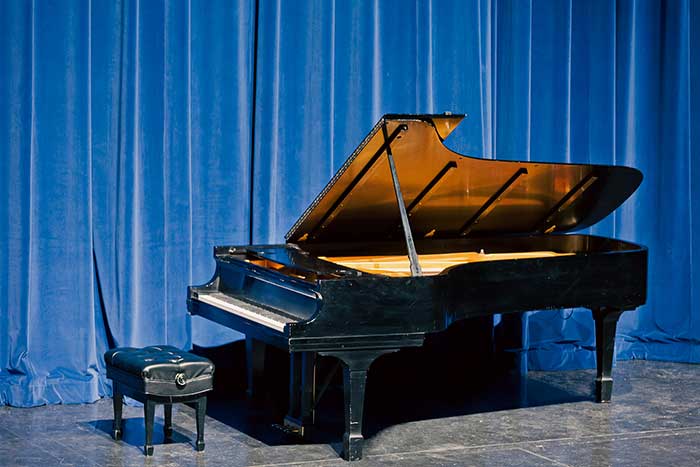
Discover the history of the piano in this wonderful article by Anne Gaurier. Learn about the history of the piano and piano music.
Read article →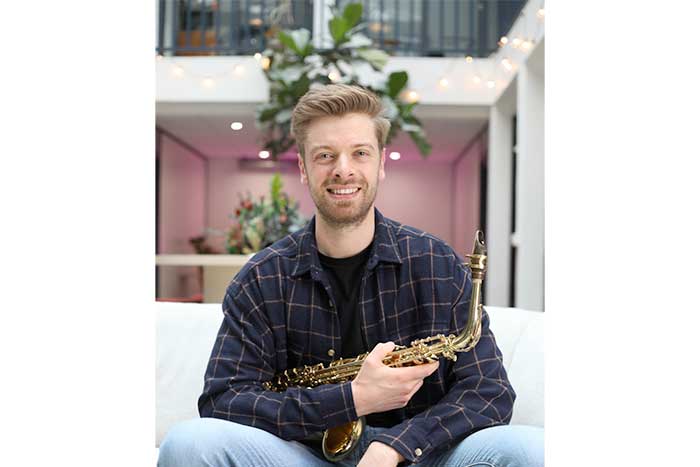
Then, around the age of 15-16, we delved deeper into jazz, slowly picking up themes and solos by Charlie Parker in particular.
Read article →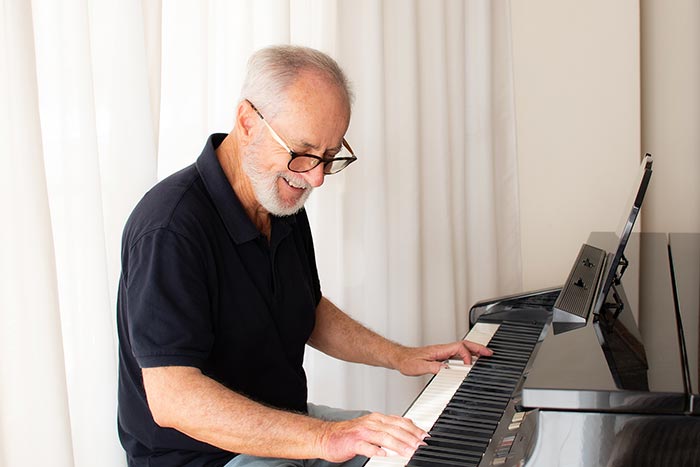
"Am I too old to learn the piano? Discover that age is never an obstacle in this guide to learning music at any stage of life.
Read article →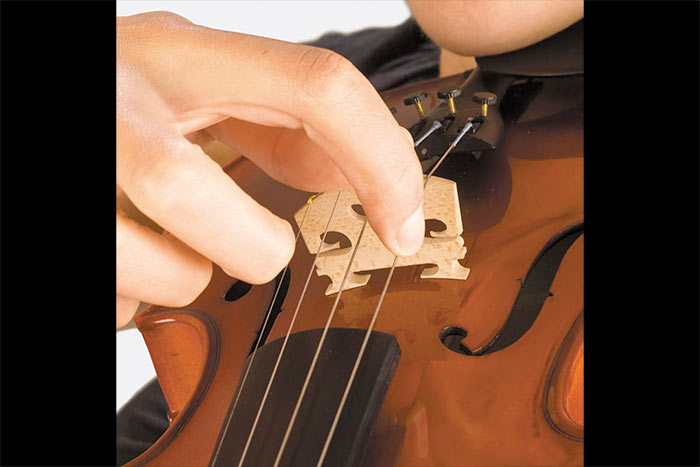
The earliest known references to the pizzicato technique can be found in Tobias Hume's collection "the first part of Ayres" (1605) (Souldiers and Hark, Hark), which requires the gambist to play a few notes in pizzicato, as well as in the madrigal "Clorinde et Tancrède", which instructs the musician to put aside his bow and pluck the strings with two fingers.
Read article →
Eliana has been immersed in music from a young age thanks to her father, who is a musician. At the age of 8, she joined a theater group and had her first experiences on stage as an actress. Later, she pursued training in musical theater. Today, she continues her music education in Paris while studying Hispanic-American literature at Sorbonne, using this cultural richness to inspire her compositions.
Read article →