About the Author: Karina

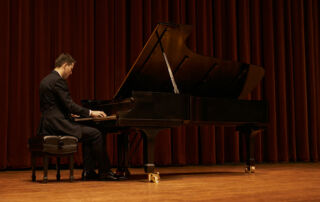
Playing an instrument in front of an audience can sometimes be a real challenge for some people, especially for those who have never had this opportunity before.
Here, I am sharing 5 very important points that will help you gain better control of your instrument during performances.

1. Practise Your Piece Thoroughly
The first point may seem obvious, but it is the most important factor in the process.
Often, we may have the feeling that we “know” our piece, but when it comes time to perform, our memory can begin to fail us.
Most of the time, the main reason for completely forgetting a piece is simply that it was never properly learnt in the first place.
Slow and mindful practice (not just mechanical repetition), together with feedback (from a teacher or a recording), can help optimise both practice and progress.
This rigorous and methodical work is very important in helping you step onto the stage with confidence.
It is far better to practise effectively for one hour with full concentration than for three hours non-stop with no real focus or in an overly mechanical way

2. Sleep and Memory Consolidation
Sleep plays a key role in consolidating both motor and auditory learning.
It is scientifically recognised that the brain continues working during the night, and this process helps reinforce progress over the long term.
The simple habit of practising before going to bed can have enormously positive effects on your playing and can significantly support your progress.
Finally, it is important to listen to your body, as lack of sleep is a major obstacle to progress.
Negative effects such as memory lapses, reduced precision, and a loss of concentration can directly affect both your practice and your stage performance.
3. Managing Stress (Visualisation and Mental Preparation)
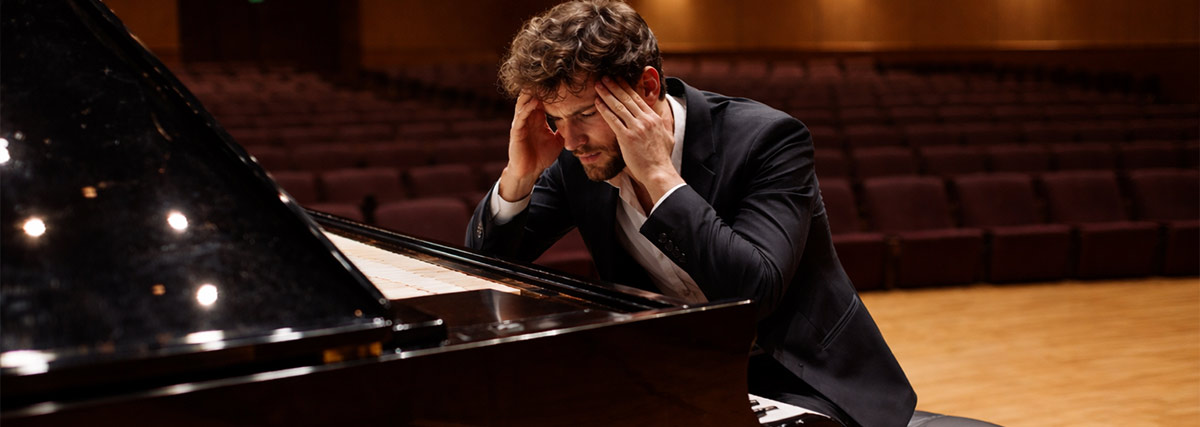
Managing stress, or stage fright, before going on stage is also one of the most important elements of a successful performance.
For example, visually imagining the concert situation, becoming familiar with the venue, and knowing the instrument you will be playing can greatly help you gain perspective before a performance by preparing mentally for the moment ahead.
Even the greatest performers, such as Martha Argerich, Daniil Trifonov and Nelson Freire still experience this feeling of nervousness before performing. It is a natural human response that experience can soften, but never completely remove.
This nervousness can be a positive thing, as it reflects the importance of the moment for us and helps sharpen our focus while playing, allowing our energy to be directed more effectively towards the audience.
It is important to redirect this tension by first changing the way you think: “Ultimately, I am going to share the music I love with the audience and show how beautiful this piece and its composer are.”
This moment of sharing is unique, and even if you perform the same piece several times, it will always be different.
4. Simulating a Concert Situation
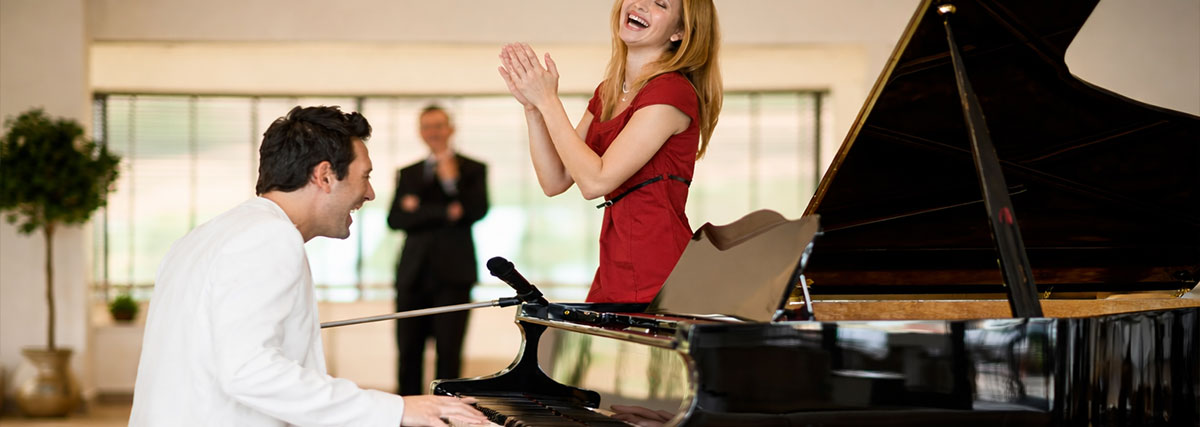
Inviting friends or playing in front of your family a few days before the concert, as a way of simulating a performance situation, can be very helpful and is especially important for building self-confidence.
Set out a few chairs, put on your concert outfit, and play as if it were the big day!
This experience will help reduce the fear of playing a piece for the first time, and sharing it with those who support you can only be a positive thing.
If you are on your own, making a video recording can also help you listen to yourself and identify areas for improvement, as we are often our own most critical listeners.

5. Nutrition
The day has arrived and you are not feeling hungry. No problem — some foods are known to be helpful allies for musicians on performance days:
Bananas
Bananas contain both simple and complex carbohydrates.
When eaten before an effort, they provide a quick supply of energy to the body, helping to prevent fatigue and loss of concentration.
Bananas are rich in vitamin B6, which is essential for the production of neurotransmitters such as dopamine and serotonin.
Bananas have been shown to support better concentration during intense activities, improve mental and cognitive responsiveness, and therefore help enhance memory.
Bananas are also a source of potassium, which helps prevent cramps and supports muscular control. In addition to their metabolic benefits, bananas are a very practical fruit, as they are easy to carry and can be eaten quickly without getting your hands dirty.
Pasta
Pasta is rich in complex carbohydrates, which are gradually converted into glucose.
This helps provide sustained energy during exertion and therefore prevents fatigue during the performance.
Unlike fast sugars, slow-release carbohydrates provide energy that is sustained over a longer period.
Chocolate
Chocolate contains sugar (glucose), which is an immediate source of energy for the body and provides an ideal boost before going on stage.
It is a delicious ally against fatigue and can act quickly to support the body.
Dark chocolate is rich in flavonoids, which improve blood flow to the brain and therefore help support concentration.
It also stimulates the production of dopamine and serotonin (pleasure and well-being), which can help improve self-confidence during a performance.
Conclusion
A performance must be prepared in advance, and its success is simply the result of your preparation.
A healthy lifestyle combined with disciplined and well-structured practice can only help you achieve your goals.
To feel ready on the day of the performance, it is important to feel that both your body and your mind are available and prepared.
This involves developing an awareness of yourself and your needs, whether in terms of sleep or nutrition.
Finally, it is clear that feeling ready to perform a piece in concert depends on careful preparation and precise work on your score, until you know every detail and have committed it fully to memory.
For those who are more sensitive to stage fright, remind yourself that your preparation is what you should trust most, and above all, that you should believe in your work.

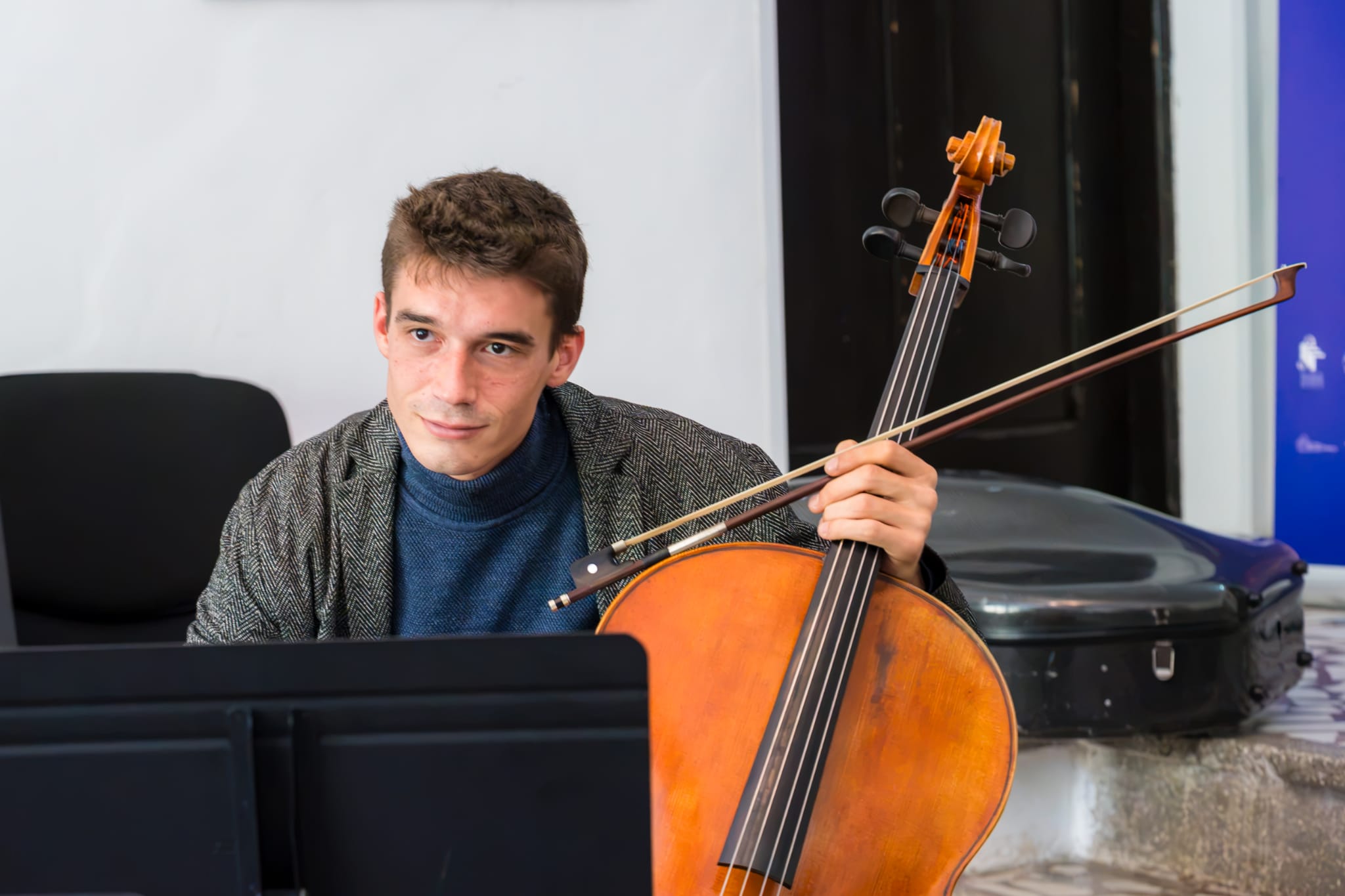
Interview with cellist and teacher Vlad Câmpean
In this interview, Vlad Câmpean, a cellist trained at the Conservatoire National Supérieur de Musique et de Danse de Paris, looks back on his journey, from his first steps at the age of six in Cluj-Napoca [...]

How to Improve Intonation on the Saxophone
Unlike fixed-pitch instruments such as the piano, the saxophone does not produce perfectly stable intonation on its own. As a wind instrument, its pitch is constantly influenced by the player: [...]

How to Choose Your First Saxophone Mouthpiece: A Beginner’s Guide
When buying your first saxophone, you often spend a great deal of time comparing different instruments. Yet one of the most important elements is often the mouthpiece. Although it is... [...]

How Often Should You Change Your Reed?
The reed is one of the most discreet elements of a saxophonist’s equipment, yet its influence on sound and playing quality is considerable. Placed on the mouthpiece, this thin strip of reed... [...]

Alto or tenor saxophone: which instrument should an adult choose in Paris?
Starting to learn the saxophone is an exciting decision. However, for many adult beginners, one question quickly arises: which instrument should you choose? Among the different types of saxophone, the alto... [...]
5 Important Points That Will Transform Your Performance
Playing an instrument in front of an audience can sometimes be a real challenge for some people, especially for those who have never had this opportunity before. Here, I am sharing 5 very important points that will help you [...]