About the Author: So Wai

Starting to learn the saxophone is an exciting decision. However, for many adult beginners, one question quickly arises: which instrument should you choose? Among the different types of saxophone, the alto and tenor are the two most common options.
Although they may seem similar at first, they differ significantly in size, sound, and playing feel.
For an adult beginner in Paris, where access to teachers, conservatoires, and specialist music shops is particularly rich, making the right choice from the beginning can have a considerable impact on motivation and progress.
In this article, we will look at the main differences between the alto saxophone and the tenor saxophone, comparing their ergonomics, sound identity, and practical aspects to help you make an informed choice.
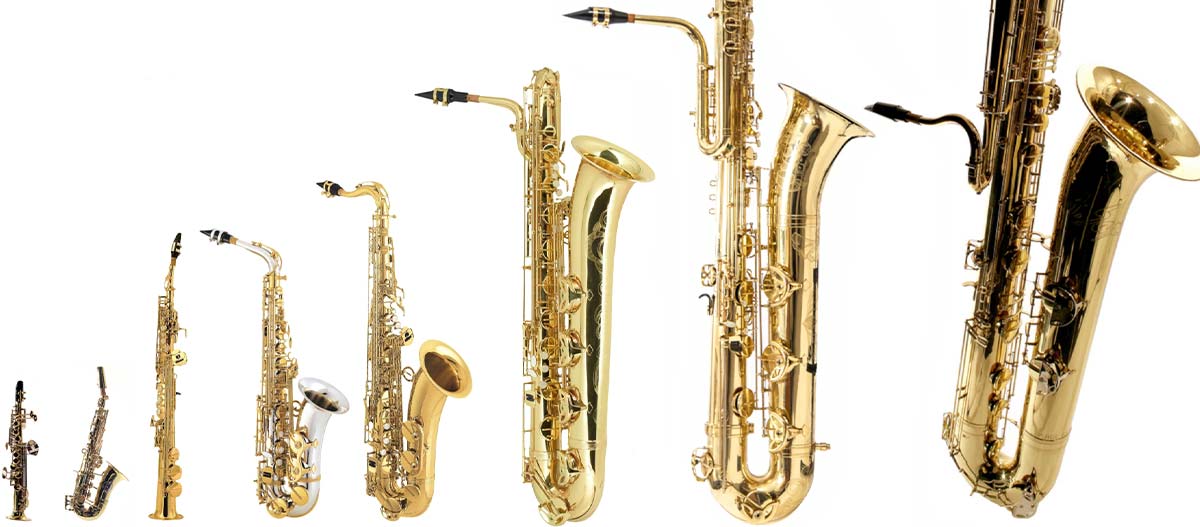
Photo credit: “Eight saxophone sizes smaller” by Jonathanischoice. Licensed under CC BY 4.0
The Saxophone Family
The saxophone family is mainly made up of four instruments: soprano, alto, tenor, and baritone.
Each occupies a different register, with the soprano being the highest and the baritone the lowest.
Situated in the middle of this range, the alto and tenor belong to the category of mid-register instruments.
That is precisely why they are generally recommended for beginners.
These instruments are easier to control, more versatile, and better suited to different musical styles.
Starting with a mid-register instrument also allows greater flexibility later on.
For example, moving from alto to soprano is relatively straightforward, whereas moving directly from baritone to soprano can be much more complex because of the differences in size and technique.
For all these reasons, most beginners choose between the alto saxophone and the tenor saxophone.
Size, Comfort, and Playing Feel
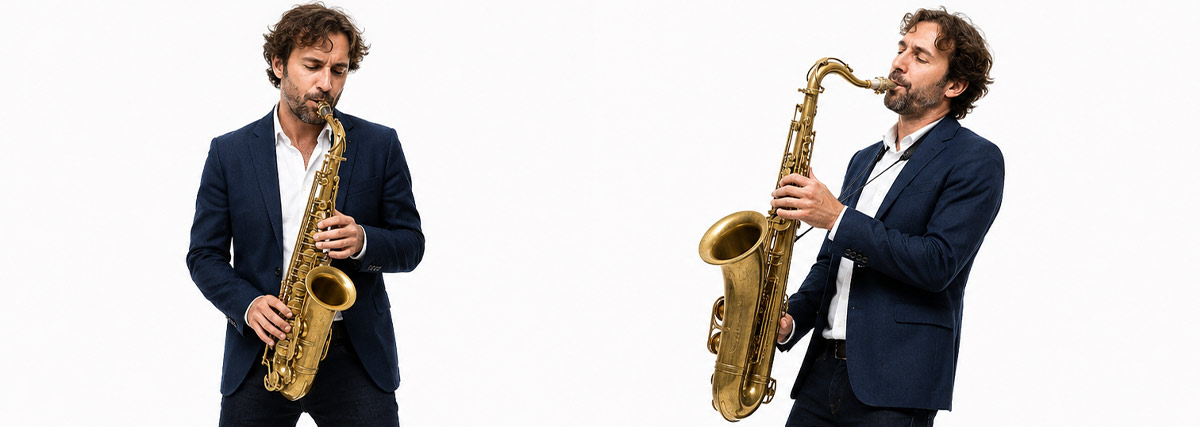
One of the most obvious differences between the alto saxophone and the tenor saxophone is their size.
The alto saxophone is smaller and lighter, making it easier to handle, particularly for beginners or those with a slighter build.
Its compact design allows for a more comfortable playing position and reduces fatigue, especially during longer practice sessions.
For these reasons, the alto is often recommended as a first instrument.
It allows the student to focus on technical development without being held back by excessive physical demands.
The tenor saxophone, by contrast, is larger and heavier.
Its body is longer and its neck has a more pronounced S-shape.
It therefore requires greater physical support as well as better stability.
For some beginners, this can present an additional challenge, especially at the start of their learning journey.
In addition, the tenor requires more air and a slightly more relaxed embouchure because of its larger mouthpiece.
This involves more work on control and endurance.
That said, adults generally have the physical ability to adapt to either instrument.
The main criterion remains comfort: an instrument that feels pleasant to play encourages regular practice and long-term progress.
Sound and Musical Identity
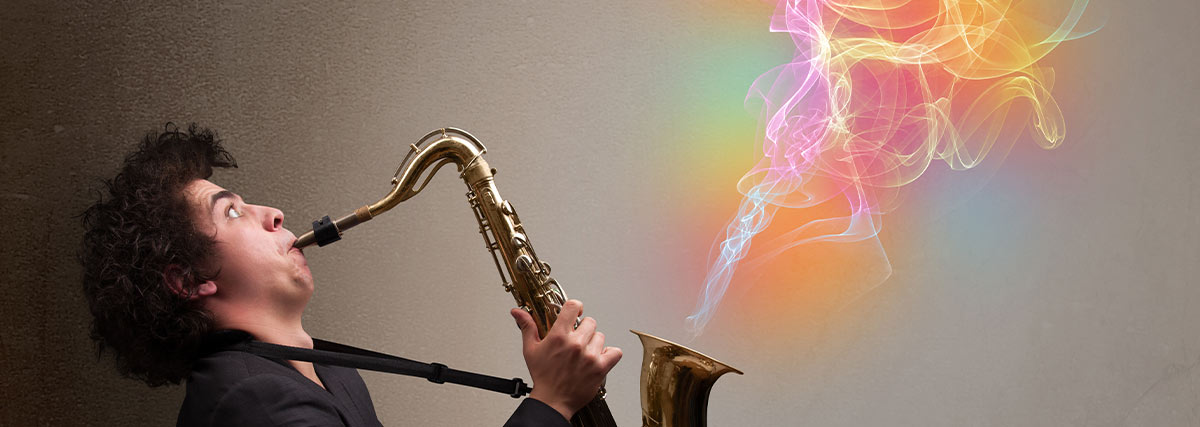
Beyond the physical aspects, the most striking difference between the alto and tenor lies in their sound.
The alto saxophone produces a clear, bright, and precise sound.
Its balanced and versatile tone allows it to fit easily into many musical contexts, particularly classical repertoire, ensembles, and teaching.
In many groups, the alto plays a central role, carrying melodic lines while also contributing to the harmony.
The tenor saxophone, on the other hand, offers a lower, warmer, and more enveloping sound.
It is particularly associated with jazz and contemporary music, where its expressive and powerful tone is highly valued.
The sound of the tenor is often described as more “human”, capable of conveying a wide range of emotions.
These differences are not only technical; they help shape the musical identity of the player.
Some will be naturally drawn to the clarity of the alto, while others will prefer the depth and richness of the tenor.
Which Saxophone Should You Start With?
The alto saxophone is generally recommended for beginners because of its accessibility.
It is lighter, requires less air, and is often more affordable.
These qualities make it an excellent starting point for those discovering the instrument.
However, this recommendation should not be seen as an absolute rule.
Adults can certainly begin directly with the tenor saxophone, especially if they are particularly drawn to its sound.
The most important factor is motivation.
An instrument whose sound inspires you will naturally make you want to practise more and progress.
Therefore, the choice between alto and tenor is not based only on ease, but also on your personal connection with the instrument.

Advice on Buying a Saxophone
Once you have made your choice, it is essential to select a good-quality instrument to ensure a positive learning experience.
An unreliable saxophone can quickly become a source of frustration.
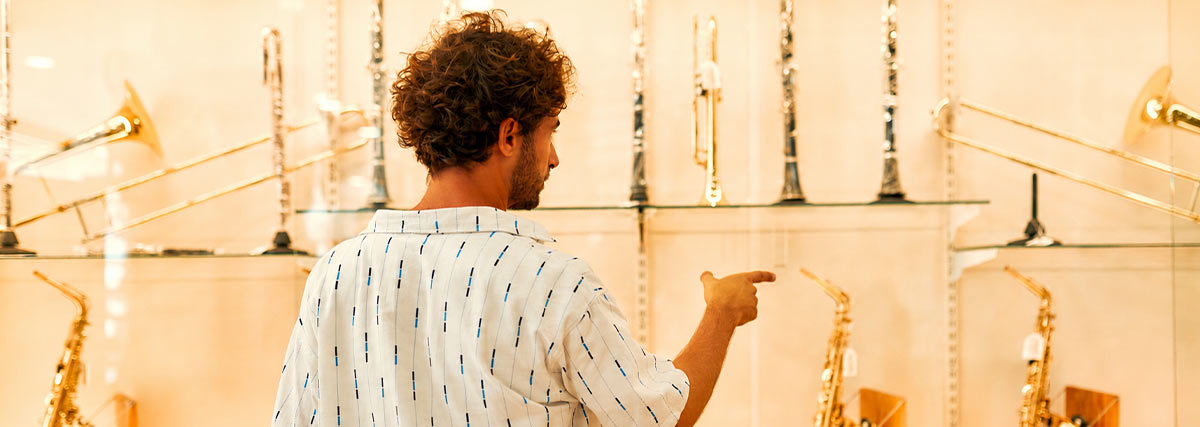
As every musician has a different body shape and sensitivity, it is strongly recommended to try the instrument before buying it, ideally with the guidance of a teacher.
For beginners, renting can be an excellent solution during the first few months.
It allows you to become familiar with the instrument without making an immediate financial commitment.
Among the recommended beginner models, the Yamaha YAS-280, or the older YAS-275 model, is a reliable choice for the alto saxophone.
It is recognised for its tuning stability, ease of playing, and ergonomic design.
For the tenor saxophone, the Yamaha YTS-280 offers similar qualities, with a stable response that is well suited to beginners.
In Paris, you can also visit Sax Machine, a recognised specialist shop where you can receive professional advice and try different instruments.
Conclusion
Choosing between the alto saxophone and the tenor saxophone is not about deciding which one is “better”, but about finding the instrument that suits you best.
The alto offers accessibility, balance, and ease of learning, while the tenor appeals through the richness and depth of its sound.
For an adult beginner in Paris, both options are perfectly valid.
Your choice will depend above all on your comfort, musical sensitivity, and motivation.
Ultimately, the instrument you choose is only the starting point.
Your regularity, curiosity, and enjoyment of playing will be what truly determine your progress.
Would you like to learn the saxophone in Paris?
Discover our saxophone lessons at the Paris Music Institute and progress with an experienced teacher in an elegant and supportive environment.
Discover our saxophone lessons in Paris
If you are in London, you can also learn to play the saxophone in Central London.
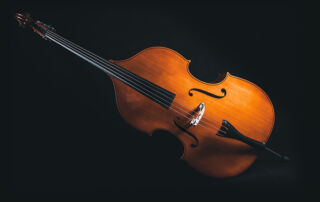
History of the Double Bass
The double bass emerged in 1620, succeeding the violone and the violone bass, but it was not introduced into the orchestra until the mid-17th century. It was first used in an orchestra [...]

The Health Benefits of Playing the Saxophone as an Adult
In today’s fast-paced and demanding world, many adults often find themselves stuck in a routine, searching for passion or personal fulfilment. Learning to play a musical instrument [...]

S.O.S. I don’t know how to breathe
Among the questions I hear most frequently from my students, one that often comes up is: how should I breathe when singing? And you? Do you know how? [...]

The History of the Saxophone: From Classical to Jazz
When you think of the saxophone, jazz probably comes to mind. Its deep melodies and vibrant improvisations have become synonymous with this musical genre. But did you know that the saxophone has [...]
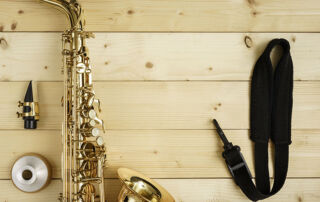
Essential Accessories for Every New Saxophonist
Embarking on the journey of learning the saxophone is an exciting experience, and having the right tools is essential to make it enjoyable and rewarding. Key accessories such as mouthpieces, reeds [...]

3 of the greatest singers
Photo: ‘Photo of Maria Callas in 1958 from the television programme "Small World". The programme was presented by Edward R. Murrow.’ by CBS Television. Licensed under the Public Domain. Maria [...]